How to Get an American Phone Number as an International Student
How to Get an American Phone Number as an International Student
So you just landed in the US. Your foreign SIM is eating through data roaming charges, your university's Wi-Fi keeps dropping, and someone just asked for your phone number and you had nothing to give them. Getting a local number is one of the very first things you should sort out — and the good news is, it's easier than you might think.
This guide walks you through exactly what to do, what it costs, and what to watch out for.
Why You Need a US Number Quickly
This isn't just about convenience. Your US phone number becomes a thread that runs through almost everything in your first few weeks. Banks ask for it. Landlords text you about apartments. Your university's emergency alert system needs it. Two-factor authentication on American websites often requires a US number to even work properly.
Your home country SIM will technically function, but it's expensive, unreliable for verification codes, and a constant reminder that you haven't quite settled in yet. Sort this out early.
Prepaid or Postpaid — Which One Should You Choose?
This is the first real decision. Here's the honest breakdown.
Prepaid Plans (Almost Always the Right Choice at First)
Prepaid means you pay before you use. No credit check, no contract, no Social Security Number required. For an international student who just arrived, this is almost always the smart starting point.
Carriers like T-Mobile, AT&T, Verizon, Mint Mobile, Visible, and US Mobile all offer prepaid options. Prices genuinely vary, but you can typically find a workable plan for somewhere between $15 and $45 per month. Some include unlimited talk, text, and data. Others cap the data or throttle speeds after a certain amount. Read the fine print on that before you commit.
T-Mobile's prepaid plans and Mint Mobile are popular with international students specifically because of the price-to-coverage balance. That said, coverage varies depending on where your campus is — a rural university has different needs than one in a major city.
Postpaid Plans (Wait on These)
Postpaid is your traditional contract-style plan billed monthly after use. These often offer better international calling options and premium features. The problem? Most require a credit check, and when you first arrive, you have essentially zero US credit history.
Some carriers will approve you with a passport and a larger upfront deposit instead. But honestly, start prepaid. You can always switch later once you've built some credit history and figured out what you actually need.
What You'll Need to Buy a SIM Card
Here's the practical checklist:
- Your passport — this is your primary ID when you don't yet have a state ID or driver's license
- Cash or a debit card — most prepaid SIMs can be purchased with either
- Your university address — you'll need to enter an address during setup
- Your phone, unlocked — this is the part people forget
That last one matters. If your phone is locked to your home country carrier, it may not work with a US SIM even if you insert it. Check with your home carrier before you travel, or contact them to request an unlock. Most carriers will unlock a fully paid-off device. If your phone is dual SIM, even better — you may be able to keep your home number active while using a US number.
Also check that your phone supports the right bands for US networks. Most modern smartphones sold in the last few years are broadly compatible, but older or region-specific models sometimes aren't. When in doubt, search your phone model alongside "US network compatibility" before you leave home.
Where to Actually Buy Your SIM Card
You have a few options, each with real trade-offs.
At the Airport
Several US airports have carrier kiosks or vending machines selling prepaid SIM cards. The price is usually higher than buying elsewhere, but if you land and genuinely have no connectivity, this gets you online immediately. It's a reasonable emergency option.
At a Carrier Store
Walking into a T-Mobile, AT&T, or Verizon store lets you talk to someone face to face. The staff can help you pick a plan, activate your SIM on the spot, and troubleshoot if something goes wrong. This is especially helpful if English isn't your first language or you're not sure which plan makes sense for your situation. Expect to spend 30–60 minutes.
Online Before You Leave
Carriers like Mint Mobile and US Mobile let you order a SIM card online. You can have it mailed to a US address — a friend's place, your dorm, wherever you're staying first. Some even let you set up an eSIM, which means no physical card at all. You just scan a QR code and activate digitally. Increasingly, this is the slickest option if your phone supports eSIM.
Big Box Retailers
Walmart, Target, and Best Buy all sell prepaid SIM cards from major carriers. The prices are often lower than buying directly from the carrier's own store, which is counterintuitive but real. Worth checking if one of these is near you.
Setting Up Your SIM — Step by Step
- Purchase your SIM or eSIM from whichever source you've chosen
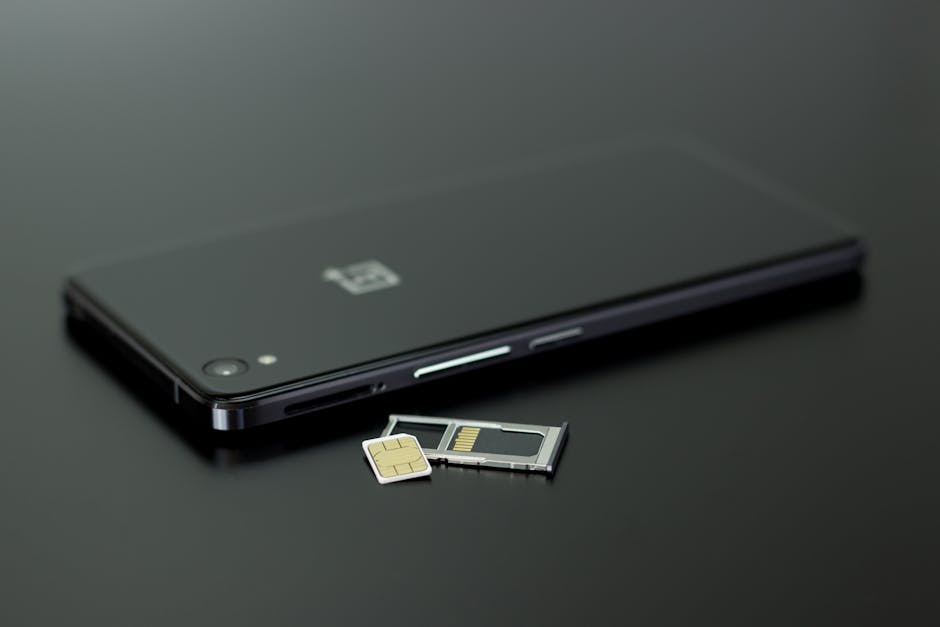
- Insert the SIM (or activate the eSIM via QR code in your phone's settings)
- Follow the carrier's activation steps — usually done through their website or app, takes 5–15 minutes
- Enter your US address when prompted — your dorm or campus housing address works
- Test it — make a call, send a text, load a webpage on mobile data (not Wi-Fi)
- Save your new number somewhere — write it down. You'll be asked for it constantly in the coming days.
If activation fails, restart your phone first. That solves the problem more often than you'd expect. If it still doesn't work, call the carrier's customer service or go back to the store.
A Note on International Calling
If you need to regularly call family back home, check whether your prepaid plan includes international minutes or has a good international rate. Most basic prepaid plans do not include free international calls.
Your options are:
- Upgrade to a plan that includes international calling (some carriers offer this as an add-on)
- Use WhatsApp, FaceTime, or Google Meet over Wi-Fi or data — this is what most international students actually do day-to-day
- Get a calling card for specific countries — less common now, but occasionally still the cheapest option for certain destinations
WhatsApp especially is worth having set up. It's how a huge portion of international student communities actually communicate.
Frequently Asked Questions
Do I need an SSN to get a prepaid SIM card? No. Prepaid plans generally don't require a Social Security Number. Your passport is enough.
Can I keep my foreign number too? If your phone supports dual SIM or eSIM, yes — you can run both simultaneously. Check your phone model's specs.
Is there a free or very cheap option? Some carriers offer extremely low-cost plans for light users — around $10–$15/month. Tello and US Mobile both have flexible low-usage options worth looking at if you mostly use Wi-Fi.
Will my plan affect my visa status? Getting a prepaid SIM card is a routine consumer transaction and has no bearing on your immigration status. If you have specific concerns, check with your DSO.
Can I port my US number to a new carrier later? Yes. Number porting is standard practice in the US. When you switch carriers, you can keep the same number — just initiate the transfer with your new carrier before canceling the old plan.
What if my phone doesn't work on US networks? You may need to purchase a US phone. Basic Android smartphones are available new for $100–$150 and will work perfectly well for everyday use while you're studying.
Getting a US phone number is one of those small things that quietly unlocks a lot. It takes maybe an hour start to finish. Do it in your first few days, and you'll wonder why you were worried about it at all.