How to Get a US Driver's License on F-1 Visa
How to Get a US Driver's License on F-1 Visa: A Complete Guide for International Students
If you're an international student in the USA on an F-1 visa, getting a US driver's license is one of the most practical things you can do for yourself. Whether you're navigating a sprawling college town in Texas, trying to get to a Walmart that's somehow 8 miles from campus, or just want the freedom to explore on weekends, having a US driver license as an F-1 visa international student will genuinely change your daily life. The good news? It's absolutely possible, and thousands of international students do it every year. Let me walk you through exactly how it works.
Can You Get a Driver's License on an F-1 Visa?
Yes, you can. This is the first thing people worry about, so let's get it out of the way immediately.
F-1 visa holders are legally permitted to apply for a driver's license in the United States. You are not a US citizen or permanent resident, but you are a legal resident of your state for the duration of your studies. That's enough to qualify in all 50 states.
That said, each state has its own rules, documentation requirements, and processes. There is no single federal driver's license in the US — your license comes from the state where you live and study. So a student in California will go through a slightly different process than one in New York or Ohio. The core steps are similar, but always verify the specific requirements with your state's Department of Motor Vehicles (DMV) or equivalent agency.
What Documents Do You Need?
This is where most people get tripped up, so pay close attention. The documentation requirements for international students are a bit more involved than for US citizens, but they're completely manageable.
Standard Documents Required in Most States
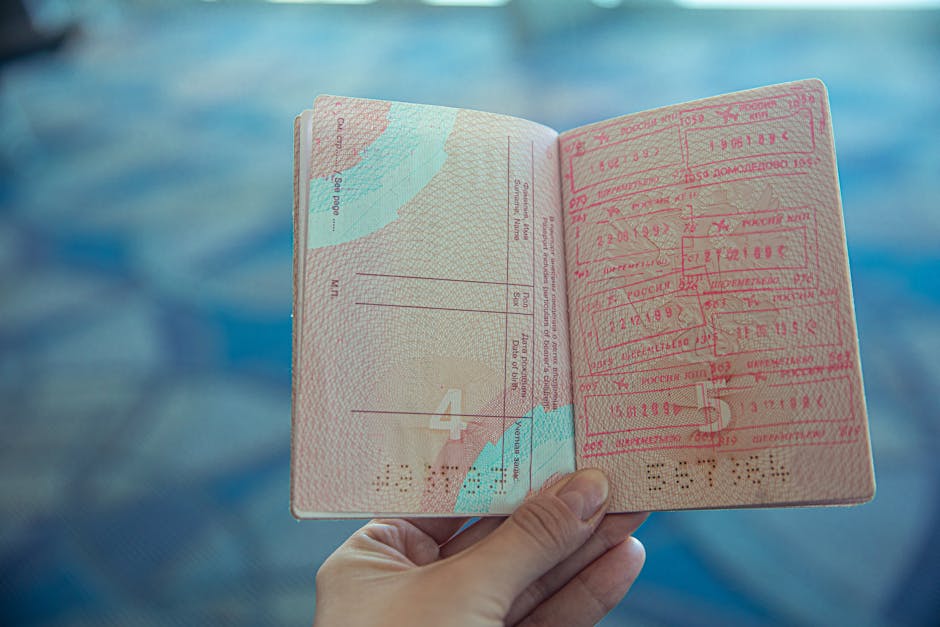
- Valid passport — your current, unexpired passport
- Valid F-1 visa stamp in your passport
- Form I-20 — your Certificate of Eligibility, issued by your school's international student office (DSO)
- Form I-94 Arrival/Departure Record — you can print this for free at i94.cbp.dhs.gov
- Proof of enrollment — a letter from your international student office or registrar confirming you are currently enrolled
- Proof of state residency — usually two documents such as a bank statement, utility bill, lease agreement, or official mail with your current address
- Social Security Number (SSN) or a denial letter — some states require you to provide your SSN if you have one, or show written proof that you're not eligible for one
About the SSN Situation
Here's something that confuses a lot of students. F-1 students who are not authorized to work do not qualify for a Social Security Number. If you need to prove you don't have one, visit your local Social Security Administration office and request a denial letter. This usually takes just one visit and about 15 to 30 minutes. Some states will accept a signed affidavit from you instead, so check your state's DMV website first.
If you do have work authorization (CPT, OPT, or an on-campus job), you likely already have an SSN and can simply provide that.
Step-by-Step: How to Get Your License
Step 1: Visit Your International Student Office First
Before you do anything else, stop by your school's international student office or DSO (Designated School Official). They deal with DMV questions constantly and know exactly what documents your specific state requires. Many offices even have pre-written enrollment verification letters ready to go for this exact purpose. Ask them. It saves you time and potentially multiple DMV trips.
Step 2: Gather Your Documents
Using the list above as your starting point, confirm the exact requirements on your state DMV's official website. Print your I-94 record, get your enrollment verification letter, and make sure you have two different documents showing your current address. Pro tip: banks will often give you a printed bank statement right at the branch if you ask, which is perfect for address verification.
Step 3: Pass the Written Knowledge Test
Almost every state requires new applicants to pass a written test before getting a learner's permit or provisional license. This test covers road rules, traffic signs, and safe driving practices specific to your state.
Download your state's official driver's handbook — it's almost always free on the DMV website — and study it carefully. Many students find that US traffic laws differ from what they're used to back home, especially things like four-way stop rules, right turns on red, and school bus laws.
Practice tests are widely available for free online. Search for "[your state] DMV practice test" and you'll find plenty. Aim to take several full practice tests before your appointment. Most written tests have between 20 and 50 questions, and you typically need a score of 70 to 80 percent to pass.
The fee for the written test and learner's permit is usually between $10 and $35 depending on the state.
Step 4: Get Your Learner's Permit and Practice Driving
Once you pass the written test and submit your documents, you'll receive a learner's permit (sometimes called an instruction permit). This allows you to practice driving with a licensed adult in the car with you.
Most states require you to hold a learner's permit for a minimum period before taking the road test — often 30 to 60 days. Use this time wisely. Practice in different conditions: daytime, nighttime, rain, highways, and city streets if you can. If you're not comfortable asking a friend to teach you, consider hiring a professional driving instructor. Lessons typically cost $50 to $100 per hour, and even 3 to 5 lessons can make a significant difference in your confidence and technique.
Step 5: Schedule and Pass the Road Test
The road test (also called a behind-the-wheel test) is a practical driving examination with a DMV examiner in the passenger seat. You'll be evaluated on things like:
- Starting and stopping smoothly
- Obeying traffic signs and signals
- Proper lane changes with mirror checks and signals
- Parallel parking (yes, they often still test this)
- General observation and awareness
You'll need to bring your own vehicle for the test, or borrow one from a friend. The car must be insured and in good working condition — the examiner will check lights, signals, and brakes before you begin.
Road test fees typically run $10 to $75 depending on the state. Schedule your appointment online through your state DMV website as early as possible, because wait times can be long — sometimes several weeks — especially in large cities.
Step 6: Get Your License
Pass the road test, and congratulations — you're getting your license. You'll usually pay a licensing fee (typically $20 to $60), have your photo taken, and receive a temporary paper license on the spot. Your official plastic license card arrives by mail within 1 to 4 weeks.
Important Notes for F-1 Students
Your License Expiration Date
Here's something many international students don't realize until it's too late: most states will issue your driver's license with an expiration date tied to your visa or I-20 end date, not the standard multi-year license term that US citizens get. When you extend your I-20 or renew your visa, you'll need to return to the DMV to update and renew your license with the new documentation.
REAL ID Compliance
Some states issue REAL ID-compliant licenses, and some issue non-REAL ID licenses (often marked with a star or other indicator). A REAL ID is now required to board domestic flights and access federal facilities. International students can qualify for a REAL ID in many states using their F-1 documents, but requirements vary. Ask your DMV specifically about this.
Driving Without Insurance Is Not an Option
Once you have your license and plan to drive regularly, you need car insurance. If you're borrowing a friend's car occasionally, you may be covered under their policy, but check first. If you buy or lease a car, you must have your own insurance. Minimum coverage costs vary significantly by state and your driving history, but expect to pay roughly $100 to $200 per month as a new driver without a US driving history.
International Driving Permit (IDP)
If you arrive in the US with a valid driver's license from your home country, many states will allow you to drive with it for a short period — usually 30 to 90 days. An International Driving Permit (IDP), paired with your home country license, can extend this in some cases. However, this is not a permanent solution, and you should still pursue a US license as soon as you're settled.
Quick Summary and Action Items
Getting your US driver's license on an F-1 visa is a straightforward process if you're organized and prepared. Here's your action plan:
- Visit your international student office and ask for an enrollment verification letter and DMV guidance specific to your state
- Print your I-94 from i94.cbp.dhs.gov
- Collect proof of address documents (bank statement, lease, etc.)
- Visit the SSA for a denial letter if your state requires it and you don't have an SSN
- Study your state's driver's handbook and take online practice tests
- Pass the written test and get your learner's permit
- Practice driving for the required period — consider professional lessons
- Schedule your road test early — spots fill up fast
- Get your license and celebrate your new freedom
The total cost from start to finish typically falls somewhere between $100 and $300, depending on your state and whether you take driving lessons. It's one of the best investments you'll make during your time as a student in the US.
You've navigated visa applications and moved to a new country — you can absolutely handle the DMV. Good luck out there.