How to Get a US Driver's License on F-1 Visa
How to Get a US Driver's License on F-1 Visa
Getting a driver's license as an international student feels complicated before you start. It really isn't. The process is mostly the same as for any new resident — you just need a few extra documents to prove your legal status. Once you have those, you're navigating the same DMV lines as everyone else.
This guide walks you through exactly what to gather, what to expect, and a few things that catch international students off guard.
First: Can You Get a License on an F-1 Visa?
Yes, absolutely. Being on an F-1 visa does not prevent you from getting a driver's license in the United States. Most states allow international students to apply, and your F-1 status actually works in your favor — it demonstrates you're a documented, legal resident of the country.
That said, every state has its own DMV rules. The documents they accept, the fees they charge, and even how long your license will be valid can vary. What works in Texas may not be exactly what North Carolina requires. So while this guide covers the general process, always verify the specifics with your state's DMV website or your Designated School Official (DSO) before you walk in.
What Documents You'll Typically Need
This is where international students sometimes get stuck. The standard requirements for domestic applicants don't fully account for people on visas, so you'll need to bring a few extra items to prove your identity, your legal presence, and your residency.
Identity and Immigration Documents
Bring all of these to your appointment:
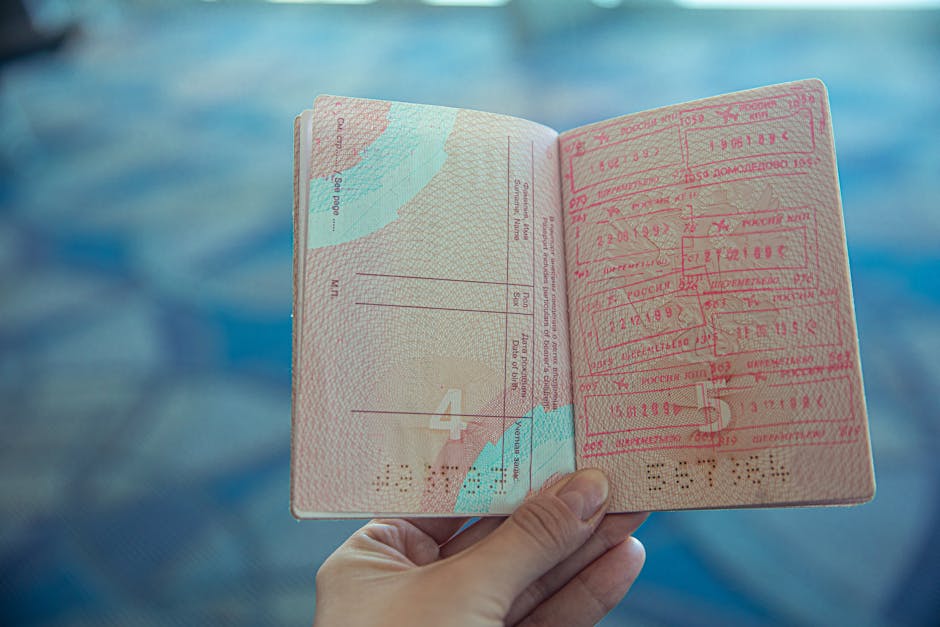
- Your passport (valid, with your F-1 visa stamp)
- Your I-20 form — the document your school issues to maintain your status
- Your I-94 arrival/departure record — most people access this online at the CBP website rather than having a physical copy
- Your visa stamp inside your passport
Some states may also ask for your SEVIS number or want to see an enrollment verification letter from your school. It doesn't hurt to carry one just in case.
Proof of Social Security Number (or Ineligibility)
This one surprises a lot of students. Many states ask for your Social Security Number, or require you to prove you don't have one (or aren't eligible for one). If you have an SSN from a campus job or authorized work, bring your Social Security card. If you don't have one, some states will accept a letter from the Social Security Administration confirming your ineligibility. Check what your specific state requires — this step alone has caused people to make multiple DMV trips.
Proof of State Residency
You'll need to show you actually live in the state where you're applying. Typically two documents are required, and they must show your name and current address. Acceptable items often include:
- A bank statement
- A utility bill
- A lease agreement
- An official letter from your university showing your campus housing address
A lot of international students live in dorms or apartment share situations where bills aren't in their name. If that's you, ask your housing office or university for an official residency letter. Many schools issue these specifically for DMV purposes.
The Actual Steps to Get Your License
Step 1: Get Your Documents in Order
Don't show up at the DMV hoping for the best. Pull up your state's DMV website and look for their specific checklist for non-citizens or visa holders. Download the I-94 from the CBP travel history website if you don't have a physical copy. If anything on the list feels unclear, email or call your DSO — they've helped dozens of students do this exact thing.
Step 2: Study for the Knowledge Test
Before you get a full license, you'll need to pass a written knowledge test covering traffic laws, road signs, and safe driving rules. Each state has its own driver handbook, and it's free online. Read it. Seriously. The questions are more specific than you'd expect — things like exact following distances, blood alcohol limits, and what certain less-common signs mean.
Many DMVs also offer the knowledge test in multiple languages. If English isn't your strongest language, check whether your state offers the test in your native language.
Step 3: Schedule Your DMV Appointment
Most DMVs now strongly recommend or require appointments. Walk-ins are often possible but can mean waiting hours. Book online in advance. Some urban areas — looking at you, LA and NYC — have appointments booked out several weeks. Plan accordingly.
Step 4: Pass the Knowledge Test and Get Your Learner's Permit
When you go in, you'll submit your documents, pay a fee (typically somewhere in the range of $10–$40, though this varies by state), and take the written test. Pass it and you'll receive a learner's permit. This lets you practice driving with a licensed adult in the car.
Step 5: Practice and Book Your Road Test
Most states require you to hold your learner's permit for a minimum period before you can take the road test — often 30 to 60 days, though this varies. Use that time to practice. If you've never driven in the US before, the road rules, lane widths, and right-of-way norms can feel genuinely different from back home.
You can take lessons through a driving school if you want structured practice. Lessons typically cost anywhere from $50 to $100 per session, depending on your area.
Step 6: Pass the Road Test
The road test is a practical exam with a DMV examiner in the car. They'll evaluate things like turning, lane changes, parking, and basic maneuvering. Bring a car you've practiced in — your own, a friend's, or one from a driving school. The car must be insured and have a valid registration. This is something people forget.
Pass the road test, pay the licensing fee (often in the $20–$60 range), and you'll typically receive a temporary paper license on the spot, with the physical card mailed to you within a few weeks.
A Few Things Specific to F-1 Students
Your license may be tied to your visa expiration. Some states issue licenses that expire when your authorized stay expires, not for the standard 4–8 year period. This means you may need to renew sooner than your classmates. When you renew, you'll likely need to show updated immigration documents again.
REAL ID and F-1 status. The REAL ID Act requires stricter document verification. Some states issue REAL ID-compliant licenses to F-1 students; others issue a "Limited Term" license that isn't REAL ID compliant. A non-REAL ID license may not be accepted as ID for domestic flights starting at a certain future date — check the current federal deadline if this matters to you.
Moving between states. If you change schools or transfer, you'll typically need to get a new license in your new state. Each state has its own timeline for this, usually 30 to 60 days after establishing residency.
FAQ
Can I use my home country's driver's license in the US? For a short period, usually yes — many states allow driving on a foreign license temporarily. But the rules differ by state, and it's not a permanent solution. Get a US license as soon as you're settled.
Do I need car insurance before the road test? The car you use for the road test must be insured. If you're borrowing someone's car, their insurance typically covers the test. Once you own a car, yes — insurance is legally required in nearly every state.
What if my I-20 is expiring soon? Get your I-20 extended by your DSO before applying. Showing up with an expired or nearly expired I-20 can complicate your application.
Can I get a license if I'm doing OPT or CPT? Generally yes. Your F-1 status continues during OPT and CPT. Bring updated documents reflecting your current authorization.
How long does the whole process take? From starting to holding a full license, expect anywhere from a few weeks to a couple of months depending on appointment availability and your state's permit holding period.
Getting your license is genuinely one of the most freeing things you can do when you're settling into life in the US. It opens up housing options, makes grocery runs so much easier, and just makes you feel like you actually live here — because you do.