How to Get a US Sim Card Before You Land
Why Your Phone Setup Matters More Than You Think
Most people don't realize how much a working US number unlocks on day one. Your landlord needs to text you a door code. Your university's international office will call to confirm your check-in appointment. A rideshare app won't let you finish signing up without a local number. Trying to sort all of this out in an airport terminal, jet-lagged and dragging two suitcases, is genuinely stressful — and avoidable.
The good news: you can order a US SIM card online, have it shipped to your home country or to a US address, and arrive with a working number already active. Here's how to think through it.
Your Two Real Options
Option 1: International eSIM — Fast but Limited
eSIMs are the quickest route. You buy a data plan online, receive a QR code by email, and activate it before your flight. No physical card needed — just a compatible phone (most phones made after 2018 support eSIM, but double-check yours).
Popular services that many international students use include Airalo, Holafly, and Nomad. These are typically short-term data-only plans. That means:
- You get mobile data for navigation, messaging apps, and email
- You do not get a US phone number for calls or SMS
- They are not a long-term solution
Cost typically ranges from around $15–$35 for 30 days of data, depending on the provider and data cap. Treat this as a bridge — enough to get you from the airport to your dorm or apartment, contact people over WhatsApp or iMessage, and buy yourself time to set up a real plan.
Option 2: US Prepaid SIM — The Smarter Long-Term Move
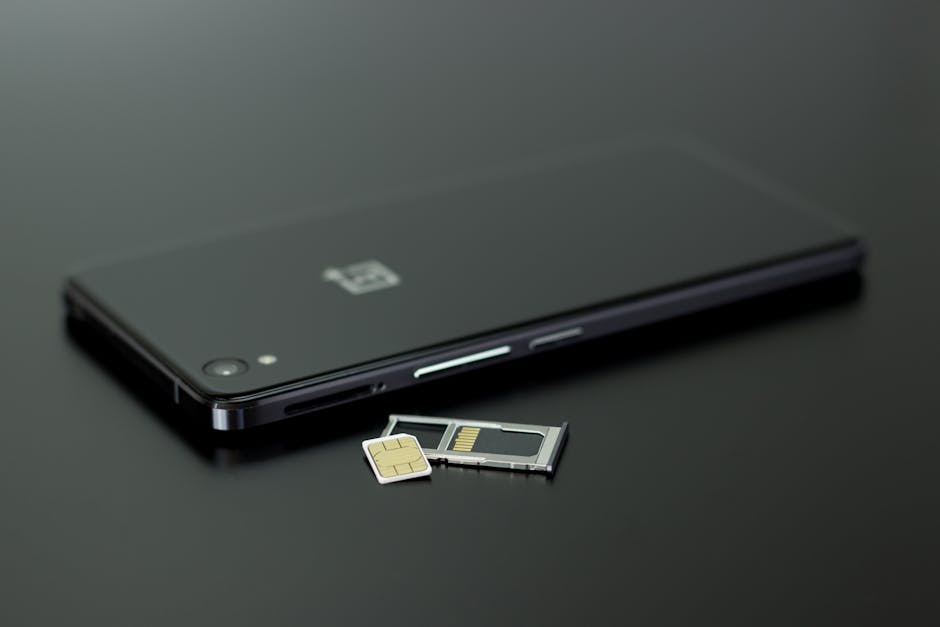
This is what most students settle on for their first months. US prepaid carriers let you order a physical SIM or eSIM online and ship it internationally, or to a US address before you arrive.
The three networks that dominate this space for international students are:
T-Mobile (including its prepaid brand Metro by T-Mobile): Strong urban and campus coverage. Their prepaid plans often include hotspot data and international texting, which matters if your family is abroad.
AT&T Prepaid / Cricket Wireless: Cricket is AT&T's prepaid brand. Solid coverage across most cities. Plans tend to be slightly cheaper than postpaid.
Mint Mobile: Uses T-Mobile's network. Often cheaper if you pay for 3 or 6 months upfront. Not ideal if you're unsure how long you'll be on a prepaid plan.
Monthly costs for a single line with a reasonable data allowance typically fall between $25–$45/month on prepaid. Unlimited data plans from these carriers often run $45–$60/month, though promotional pricing changes frequently — always check the carrier's website for current offers.
How to Order Before You Arrive
-
Choose a carrier and plan. Compare coverage maps on each carrier's website using your university's ZIP code — coverage varies more than advertising suggests.
-
Order online. Most major prepaid carriers ship SIM cards internationally or within the US. If you have a US address (a friend, an on-campus mailroom, an apartment you've already signed for), ship there. Some carriers also let you pick up from a store on arrival — useful if shipping internationally feels uncertain.
-
Check your phone is unlocked. A locked phone will not accept a new carrier's SIM. Contact your home carrier before you leave to request an unlock, or confirm your phone is already factory unlocked.
-
Know your APN settings. Some prepaid SIMs require you to manually enter network settings (APN) to get data working. The carrier's website should list these — save a screenshot before you fly.
-
Activate on arrival. Most prepaid SIMs activate online. Have your SIM, the activation website or app, and a WiFi connection ready when you land.
What About a Postpaid Plan?
Postpaid plans (the kind where you get a monthly bill from Verizon, T-Mobile, or AT&T directly) usually require a Social Security Number (SSN) or a credit check. As a new arrival, you likely won't have an SSN yet — it typically takes several weeks to obtain after you start your program. Some carriers will accept a passport and visa instead, but this varies by store and staff member.
Our honest advice: start prepaid, get stable, then switch to postpaid if you want to once you have your SSN and are settled. The difference in day-to-day service is minimal.
Community Tip: Ask Before You Buy
Carrier coverage is not uniform. A plan that works perfectly in Manhattan might drop to one bar in certain corners of a suburban campus. Before you commit, check the YourGuideInUSA community groups for your specific city or university — students who arrived a semester or two ahead of you will have honest opinions on which carrier actually works on your campus.
Many students in our community also use a dual-SIM setup: keep your home country SIM active for a month or two (on a cheap international roaming plan) while your US number settles in. This avoids the panic of losing contact with home during the transition.
A Note on Airport SIMs
You'll see SIM card kiosks in international arrival terminals. They work, but the prices are typically significantly higher than buying the same plan online. The convenience tax is real. Use them only as a last resort.
Quick Cost Summary
| Option | Upfront Cost | Monthly Cost | US Number? |
|---|---|---|---|
| Travel eSIM (Airalo, etc.) | $15–$35 | N/A (one-time) | No |
| US Prepaid SIM | $0–$10 for SIM | $25–$60 | Yes |
| Airport SIM kiosk | Higher than above | Varies | Usually yes |
Prices are approximate ranges based on commonly available plans and change frequently. Always verify on the carrier's current website.
FAQ
Can I get a US SIM card without a Social Security Number?
Yes. Prepaid SIM cards do not require an SSN or credit check. You can buy and activate one with just a payment method. Postpaid plans from major carriers typically do require an SSN or alternative credit verification.
Will my phone from home work in the US?
It depends on two things: whether your phone supports the right frequency bands for US networks, and whether it is unlocked. Most modern smartphones sold internationally include the bands needed for T-Mobile or AT&T. Contact your home carrier or check your phone's spec sheet to confirm.
How do I get a real US phone number before I have an address?
You don't need a US address to buy a prepaid SIM online. You need an address for shipping if you want the physical card sent somewhere — otherwise, an eSIM plan from a US carrier (T-Mobile prepaid offers eSIM, for example) lets you get a US number digitally before you arrive.
Is it worth keeping my home SIM active after I arrive?
For the first month or two, yes — it's worth the cost for peace of mind. Roaming charges can add up fast, so put your home SIM on a low-cost international roaming plan rather than leaving it on your standard plan. Once you're settled and your US number is shared with everyone who needs it, you can pause or cancel.
What if I have a problem with my SIM after I land?
Prepaid carrier customer service is available online and by phone. For campus-specific issues (like a building blocking signal), your university's IT or housing office sometimes has carrier recommendations. And as always, the YourGuideInUSA community is a good place to ask — someone in the same city has almost certainly been through it.