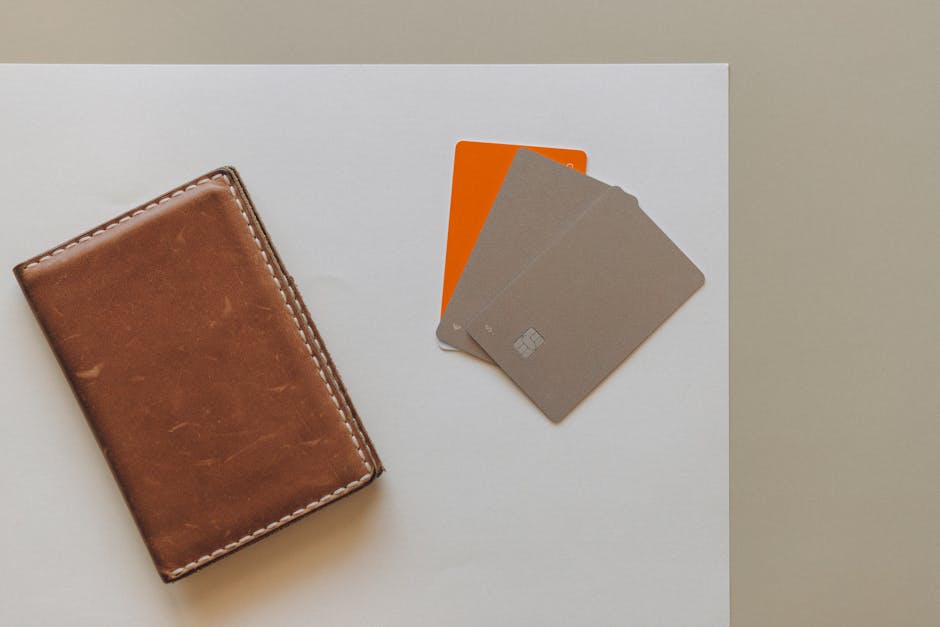
How to Get a US Bank Account With No Credit History
Why Opening a Bank Account Feels Harder Than It Should
You land in the US, you need to pay rent, buy groceries, and maybe set up your phone plan — and suddenly everyone wants a credit check or a Social Security Number you don't have yet. It feels like a catch-22, and honestly, it kind of is. But thousands of international students open US bank accounts every semester without credit history, and you can too. You just need to know which doors to knock on.
What You Actually Need (And What You Don't)
Let's clear up the biggest myth first: you do not need a credit score or SSN to open a basic US bank account. What most banks actually require from international students is:
- A valid passport
- Your student visa (F-1, J-1, or similar)
- Your I-20 or DS-2019 form
- Proof of enrollment (a letter from your university's registrar works well)
- A US address (your campus housing or off-campus lease)
Some banks will ask for an ITIN (Individual Taxpayer Identification Number) if you don't have an SSN yet — but many won't require either, at least for a basic checking account. Call ahead or check the bank's international student page before you show up, because requirements vary by branch and can change.
Your Best Options
Big National Banks With International Student Programs
Several major US banks have dedicated programs for international students. Bank of America and Chase both have been known to offer student checking accounts with relaxed requirements at certain branches, particularly those near large university campuses. Citibank also has a history of working with international clients.
That said, experiences vary a lot by branch and even by which employee you speak to. It helps to:
- Go to the branch nearest your campus (staff there are more used to international students)
- Bring every document you have — over-prepared beats turned away
- Ask specifically for a "student checking account" and mention you are an international student upfront
Campus Credit Unions
This is often the smoothest path and the one most students wish someone had told them about earlier. Many universities have an affiliated credit union — sometimes literally inside a campus building — that is set up specifically to serve students, including internationals. They understand the I-20, they're not surprised by a foreign passport, and they typically have lower fees.
Search "[your university name] credit union" or ask your international student office. This is one of those things that varies so much by school that your DSO (Designated School Official) or fellow students in your program are your best real-time resource.
Online-First Banks and Fintech Options
If you're struggling with traditional banks, online banks and fintech apps have become a genuinely good alternative. Wise (formerly TransferWise) lets you hold USD in an account and get a debit card, which works for most day-to-day needs. Revolut offers a similar setup.
For a more traditional experience without the branch hassle, Charles Schwab has historically been popular with international students because of its no-fee international ATM use and relatively straightforward opening process — but verify current requirements before applying, as policies shift.
Note: These accounts may not qualify as a "US bank account" for all purposes (like receiving certain types of financial aid disbursements), so check with your university's bursar office before relying on one exclusively.
The Opening Process, Step by Step
- Gather your documents — passport, visa, I-20 or DS-2019, enrollment letter, and your US address.
- Research options near your campus — check the bank's website, then call or email the branch to confirm international student requirements.
- Go in person if possible — especially for major banks, an in-person visit gives you a chance to explain your situation and get a manager involved if needed.
- Ask about fees upfront — look for monthly maintenance fees, minimum balance requirements, and foreign transaction fees. Many student accounts waive maintenance fees, but confirm.
- Fund your account — you'll typically need an opening deposit. Amounts vary, but many student accounts require somewhere between $25 and $100 to open. Bring cash or a wire transfer confirmation.
- Set up online banking — you'll want to pay rent and bills digitally from day one.
A Word on Fees to Watch
Fees are where international students often get caught off guard. Here are the ones worth asking about:
- Monthly maintenance fee: Often waived for student accounts, but verify
- Minimum balance fee: Triggered if your balance drops below a threshold
- Foreign transaction fee: Relevant if you're also using the card for international purchases or ATM withdrawals abroad
- Wire transfer receiving fee: If your family sends money from home, some banks charge you to receive it
There's no single "best" bank here — it genuinely depends on how your family sends you money, what your university requires, and which branches are near you.
Building Credit Once You're Set Up
Getting the account is step one. Once you're settled, you'll want to start building US credit history — it matters for renting apartments, and eventually for things like phone contracts and car insurance rates.
A secured credit card is the most common starting point. You deposit a set amount (often $200–$500) as collateral, and that becomes your credit limit. Use it for small regular purchases, pay it off in full each month, and your credit score starts to build. Some banks offer secured cards alongside student checking accounts — ask when you open the account.
Some universities also partner with credit-building programs specifically for international students. Check with your student services office.
The YourGuideInUSA Take
In our community, the two most common pieces of advice from students who've already been through this are: go to the campus branch first, and bring more documents than you think you need. The students who had the smoothest experience came prepared with a folder — passport, I-20, enrollment letter, a utility bill or lease, and sometimes even a printed copy of the bank's own international student webpage. It sounds like overkill, but it means no second trips.
If you've had a particularly smooth (or frustrating) experience with a specific bank, share it in the YourGuideInUSA community forums — real experiences from people at your specific university are worth more than any general guide.
FAQ
Can I open a US bank account without an SSN?
Yes, typically. Many banks accept a passport and visa documents in place of an SSN for a basic checking account. Some may ask for an ITIN instead. Requirements vary by institution, so confirm before visiting.
Which bank is best for international students?
There's no universal answer. Campus credit unions are often the easiest entry point. Among national banks, branches near large universities tend to be more experienced with international student situations. Ask fellow students at your specific school for current, firsthand recommendations.
How long does it take to open an account?
In person, most accounts can be opened the same day if you have all required documents. Online applications vary — some are instant, others take a few business days for verification.
Will opening a bank account affect my visa status?
Opening a standard bank account does not affect your F-1 or J-1 visa status. If you have questions about how financial activity intersects with your immigration status, speak with your DSO.
Do I need a US address to open an account?
Most banks require one, yes. If you're opening an account before you have permanent housing, a campus address or dormitory address typically works. Check with the bank in advance.