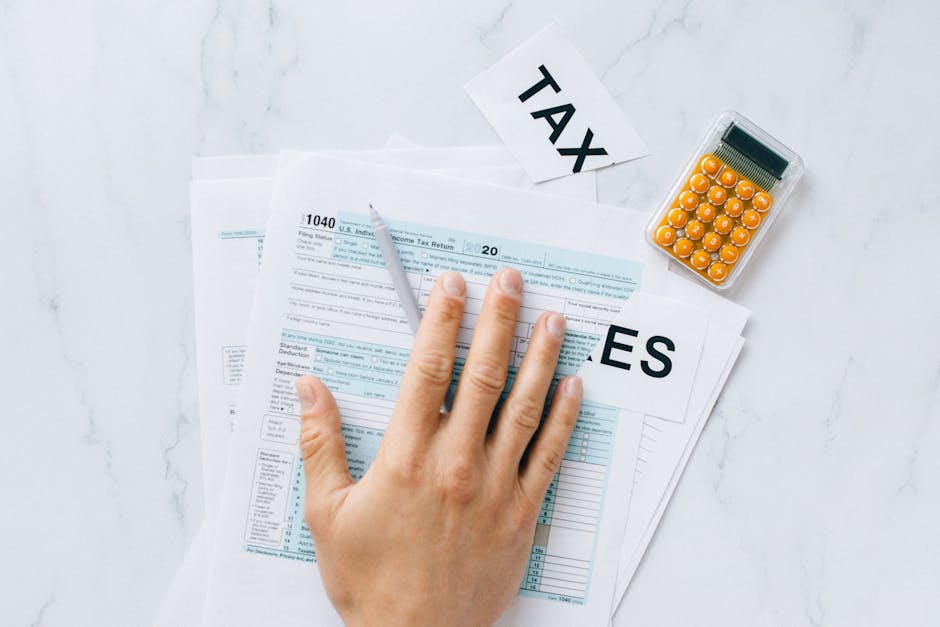
How to Build a Credit Score From Zero in the USA
How to Build a Credit Score From Zero in the USA as an International Student
If you just arrived in the USA as an international student, you probably already know that almost everything here seems to require a credit score — renting an apartment, getting a phone plan, even applying for certain jobs. The good news is that learning how to build a credit score as an international student in the USA is absolutely possible, even if you arrived with zero credit history and no Social Security Number. It takes a little patience and the right strategy, but thousands of international students do it every year, and you can too. Think of this as advice from a friend who has already been through the confusion, made a few mistakes, and figured out what actually works.
Why Your Credit Score Matters More Than You Think
In the USA, your credit score is essentially your financial reputation. It is a three-digit number, typically ranging from 300 to 850, and it tells lenders, landlords, and even some employers how reliably you manage borrowed money. The most commonly used scoring model is the FICO score.
Here is a quick breakdown of what the ranges mean:
- 300–579: Poor
- 580–669: Fair
- 670–739: Good
- 740–799: Very Good
- 800–850: Exceptional
Most landlords want to see a score of at least 620–650. Credit card companies offering good rewards usually want 670 or above. The sooner you start building, the sooner you unlock better financial opportunities in the USA — like lower interest rates, easier apartment approvals, and no need for a cosigner.
The Challenge International Students Face
When you arrive in the USA, you are starting with what is sometimes called a "thin file" — meaning you have no American credit history at all. Your credit history from your home country does not transfer over. Even if you had a perfect credit score back home, it simply does not exist in the US system.
On top of that, many standard credit cards require a Social Security Number (SSN). As an international student on an F-1 or J-1 visa, you may not have one right away, though you can apply for an SSN if you have eligible on-campus or off-campus employment.
But here is the thing — you do not necessarily need an SSN to get started. Many credit card issuers will accept an Individual Taxpayer Identification Number (ITIN) instead, and some newer fintech companies have designed products specifically for newcomers.
Step-by-Step: How to Build Credit From Zero
Step 1: Get a Social Security Number or ITIN
If you are working on campus or have work authorization, apply for an SSN through the Social Security Administration as soon as you are eligible. This opens the most doors in the US financial system.
If you are not eligible for an SSN yet, apply for an ITIN through the IRS by filing Form W-7. This process can take 7 to 11 weeks, so start early.
Step 2: Open a US Bank Account
Before anything else, open a checking and savings account at a US bank or credit union. You generally only need your passport, your student visa (F-1 or J-1), your I-20 or DS-2019 form, and proof of your university enrollment.
Good options for international students include:
- Chase Student Checking — no monthly fee for students, wide ATM network
- Bank of America Advantage Banking — student-friendly with good mobile tools
- Local credit unions — often have lower fees and more flexible policies
- Wise or Revolut — helpful for international transfers while you settle in, though these do not build credit on their own
Having a bank account shows financial stability and is usually required before you can apply for a credit card.
Step 3: Apply for a Secured Credit Card
A secured credit card is the single best tool for building credit from zero. Here is how it works: you deposit a sum of money — typically between $200 and $500 — as collateral, and that deposit becomes your credit limit. You then use the card for everyday purchases and pay it off each month. The card issuer reports your payment behavior to the credit bureaus (Experian, Equifax, and TransUnion), and your credit history begins.
Some strong options for international students:
- Discover it Secured Credit Card — no annual fee, earns cash back rewards, and Discover will review your account after 7 months for a possible upgrade to an unsecured card
- Capital One Platinum Secured Credit Card — low minimum deposit (as low as $49 for a $200 limit), no annual fee
- OpenSky Secured Visa — does not require a credit check or SSN, accepts ITIN, annual fee of $35
Pro tip: Use your secured card for small, regular purchases like groceries or a streaming subscription — something you would buy anyway. Pay the full balance every single month before the due date. This prevents interest charges and builds a perfect payment history.
Step 4: Use the Credit Card the Right Way
Just having a card is not enough. How you use it matters enormously.
The two most important habits are:
Pay on time, every time. Payment history makes up 35% of your FICO score. Even one missed payment can significantly damage your score and stays on your report for seven years.
Keep your credit utilization below 30%. Credit utilization is the percentage of your available credit that you are using. If your limit is $300, try to keep your monthly balance under $90. Ideally, staying below 10% utilization gives you the best results.
Avoid applying for multiple credit cards at once. Each application triggers a "hard inquiry" on your credit report, which can temporarily lower your score by a few points.
Step 5: Explore International Student–Specific Credit Cards
Some credit card companies have created products specifically designed for newcomers to the USA who have no credit history.
- Deserve EDU Mastercard for Students — designed for international students, does not require an SSN to apply (uses your passport and student visa), no annual fee, earns 1% cash back on all purchases
- Nova Credit — not a credit card itself, but a service that translates your foreign credit history into a US-equivalent report, accepted by some lenders including American Express and MPOWER Financing
These tools exist because companies know that international students are often high-earning professionals in the making — they want your business long-term.
Step 6: Become an Authorized User
If you have a trusted friend, roommate, or family member in the USA with a good credit history, ask them to add you as an authorized user on their credit card. You get a card in your name, their positive history can benefit your score, and they remain responsible for the bill.
This does not cost anything and can give your credit score a meaningful early boost while you build your own history simultaneously.
Step 7: Consider a Credit-Builder Loan
Some credit unions and banks offer credit-builder loans specifically designed for people starting from scratch. With this type of loan, you make fixed monthly payments — often between $25 and $150 per month — into a savings account. At the end of the loan term (usually 12 to 24 months), you receive the money you paid in. Your on-time payments are reported to the credit bureaus throughout.
Self Financial and some local credit unions offer these products. The Self Credit Builder Account, for example, costs no upfront fee and has monthly payments starting around $25.
How Long Does It Take to Build a Score?
Most people ask this, and the honest answer is: it depends. But here is a realistic timeline:
- 0–3 months: You may not have a score at all yet (credit bureaus typically need at least one account open for 6 months)
- 6 months: You should have your first FICO score, possibly in the 600–650 range if you have paid on time
- 12–18 months: With consistent on-time payments and low utilization, reaching 700+ is very achievable
- 2–3 years: Many international students hit 750 or above with good habits
Starting the day you arrive is the single most powerful thing you can do.
Common Mistakes to Avoid
- Missing a payment — set up autopay for at least the minimum payment to protect yourself
- Maxing out your credit card — even if you pay it off, high utilization at the time the statement closes hurts your score
- Closing your first account — length of credit history matters, so keep your first card open even if you move to better cards later
- Applying for too many cards at once — space out applications by at least 6 months
- Ignoring your credit report — check it for free at AnnualCreditReport.com once a year to catch errors
Your Action Plan: What to Do This Week
Here is a simple starting checklist to get you moving right away:
- Open a US bank account with your passport and university enrollment documents
- Apply for your SSN if eligible, or begin the ITIN process if not
- Apply for either the Deserve EDU card (no SSN needed) or an OpenSky Secured card as your first credit card
- Set up autopay for the full balance each month
- Set a phone reminder to check your credit score monthly using free tools like Credit Karma or your bank's app
- Ask a trusted contact in the USA if they would add you as an authorized user
Building credit as an international student in the USA is not complicated — it just requires consistency and patience. Every month you pay on time is a brick in your financial foundation. Start small, stay consistent, and within a year you will have a credit score that opens doors you did not even know were closed.