Grocery Shopping in the USA — Tips for International Students
Grocery Shopping in the USA — A Real Guide for International Students
Moving to the United States means figuring out a lot of new things fast. Grocery shopping might seem like the least of your worries — but walk into an American supermarket for the first time and you'll quickly realize it's its own learning curve. The stores are massive. The product options are overwhelming. And if you're used to buying fresh produce daily from a local market, the whole experience can feel strangely disorienting.
This guide is for you. Not the idealized version of "settling in," but the real one — where you're standing in the cereal aisle at 7pm, exhausted, with no idea what half the products are.
Understanding How American Grocery Stores Work
The Store Formats You'll Encounter
American grocery retail isn't one-size-fits-all. You'll typically run into a few different types of stores, and knowing the difference saves you both time and money.
Large chain supermarkets like Kroger, Safeway, Publix, or Stop & Shop are your everyday option. They carry pretty much everything — fresh produce, meat, dairy, packaged foods, cleaning supplies, and sometimes even pharmacy items. Prices are moderate, and most run loyalty programs that can save you real money.
Warehouse stores like Costco and Sam's Club sell in bulk. A membership costs around $65–$130 per year depending on the tier, so this only makes sense if you're splitting costs with roommates or plan to stay long-term. Buying a 5-pound bag of rice when you live alone in a dorm doesn't make much sense.
Budget stores like Aldi, Lidl, and WinCo are genuinely worth your attention. Aldi in particular has surprised a lot of international students — the quality is solid, and prices are noticeably lower than mainstream supermarkets. Don't overlook these.
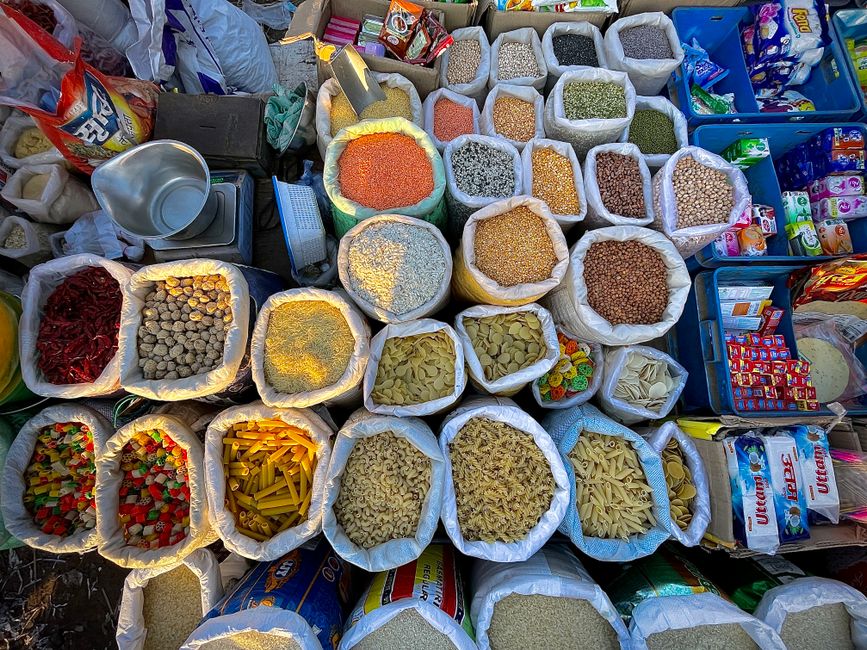
Ethnic and international grocery stores deserve a special mention. Most mid-sized and large cities have Asian, Latin, Middle Eastern, or South Asian grocery stores. These are often cheaper for staples like rice, lentils, spices, noodles, and specialty sauces than any mainstream store. Find your nearest one early — it's often a lifeline if you're trying to cook food that actually tastes like home.
The Money Side of Things
What Groceries Actually Cost
Prices vary by region, store, and season, so take these as rough guides rather than exact figures.
A reasonable weekly grocery budget for one person, cooking most of your meals at home, typically falls somewhere between $50 and $100. You can do it for less if you're strategic, and you'll spend more if you're buying a lot of convenience foods or specialty items.
A few ballpark figures as of recent years:
- A dozen eggs: roughly $2–$5 (this fluctuates — it's been higher)
- A pound of chicken breast: around $3–$6
- A bag of rice (5 lbs): $4–$8
- A gallon of milk: $3–$5
- Fresh vegetables: highly variable, but a head of broccoli or a bag of carrots usually runs $1–$2
These numbers shift with inflation and location. Always check local prices rather than trusting any guide — including this one.
Loyalty Cards and Store Apps
This is something a lot of new arrivals miss. Most major grocery chains have free loyalty programs, and skipping them means paying more than you have to. The discounts are real — sometimes 30–50% off on sale items if you've got the card.
Sign up online or in-store. You typically just need an email address and a phone number. Some stores let you use a temporary phone number during sign-up, though policies vary. Check the store's own app too — digital coupons are often stackable with existing sale prices, which adds up.
Practical Shopping Tips That Actually Help
Make a List Before You Go
This sounds obvious. Do it anyway. American grocery stores are designed to encourage impulse purchases, and without a list, you'll spend more and forget things you actually needed. Write your list based on what you plan to cook for the week. Even a rough meal plan — just knowing you'll make pasta twice and stir fry once — helps you shop with purpose.
Learn the Store Layout Once
Spend your first visit just walking the store without buying much. Figure out where the produce section is, where the bulk bins are (if they have them), where international foods land. Knowing the layout means your regular trips take 20 minutes instead of 45.
Buy Store Brands (Private Label)
Every major grocery chain has its own brand — Kroger has "Kroger brand," Target has "Good & Gather," Whole Foods has "365." These are almost always significantly cheaper than name brands, and for basics like flour, canned goods, pasta, and spices, the quality difference is minimal to nonexistent. This single habit can cut your grocery bill noticeably.
Produce: Fresh vs. Frozen
Fresh produce is great when it's in season. Out of season? It's expensive and often doesn't taste that impressive. Frozen vegetables, on the other hand, are picked and frozen at peak ripeness — they're nutritionally solid, cheap, and last much longer. Keeping a bag of frozen spinach, peas, or mixed vegetables in your freezer is genuinely useful.
Watch the Unit Price, Not the Sticker Price
American grocery stores are required to display the unit price — usually per ounce or per pound — on the shelf tag. This is the number that actually lets you compare products. A bigger box isn't always cheaper per ounce. Always check. It takes a few seconds and is one of the easiest ways to avoid overpaying.
Shopping Without a Car
If you're living near campus without a car, you're not alone. Most universities are built with walkable access to at least some stores, but "some" varies a lot.
Instacart, Amazon Fresh, and Walmart+ delivery are options worth knowing about. Delivery fees and tips add up, so treat these as convenience tools for occasional use rather than your primary shopping method. Minimum order amounts and delivery windows vary by area.
Public transit works well in larger cities. If you're in a smaller college town, figure out if there's a campus shuttle to a nearby shopping area — many schools offer this, especially on weekends. Ask your international student office or fellow students.
Splitting a grocery run with roommates is one of the most practical solutions if you're all going to the same store anyway. One person with a car, everyone pitches in on the trip.
Food Safety and Labeling
American food labeling can be confusing when you're new to it. "Sell by," "best by," and "use by" are not the same thing, and none of them are federally regulated expiration standards for most foods (with some exceptions like infant formula). Generally, "best by" is a quality indicator, not a safety cutoff — check for signs of spoilage rather than panicking about the date alone.
Also worth knowing: reading ingredient lists matters more than front-of-package claims. Words like "natural," "artisan," or "farm fresh" have very little legal meaning on packaging. If you have dietary restrictions or food allergies, read the actual ingredients section and look for allergen statements.
FAQ
Can I use an ITIN or student ID to get a store loyalty card? Most store loyalty programs only require an email and phone number — no government ID needed. But check with individual stores if you have concerns.
Are there halal or kosher grocery options in the USA? Yes, though availability depends heavily on your city and region. Many mainstream supermarkets carry some certified halal and kosher products. Dedicated halal or kosher markets exist in many urban areas — searching online for "[your city] halal grocery" is usually the fastest way to find them.
What's the tipping situation at grocery stores? You don't tip at regular grocery checkout. If you use a delivery service like Instacart, tipping the delivery person is standard — 10–20% is typical, though it's optional.
Is tap water safe to drink? In most parts of the United States, yes. Tap water is regulated and generally safe. Water quality does vary by location and building, so if you have concerns, check your local water utility's annual quality report or ask your landlord.
What if I can't afford groceries some weeks? Many campuses have food pantries specifically for students — no shame in using them. Ask your student services or international student office. Some community food banks are also open to international students, though eligibility can vary, so it's worth checking locally.
Grocery shopping in a new country is a small thing that somehow feels big at first. Give yourself a couple of weeks to find your rhythm — the stores that work for you, the brands you like, the layout you know. It gets easier, and faster, and eventually kind of automatic.
Until then, make your list and don't shop hungry.