How to Get Renter's Insurance Before Moving In
Why Renter's Insurance Matters Before You Even Unpack
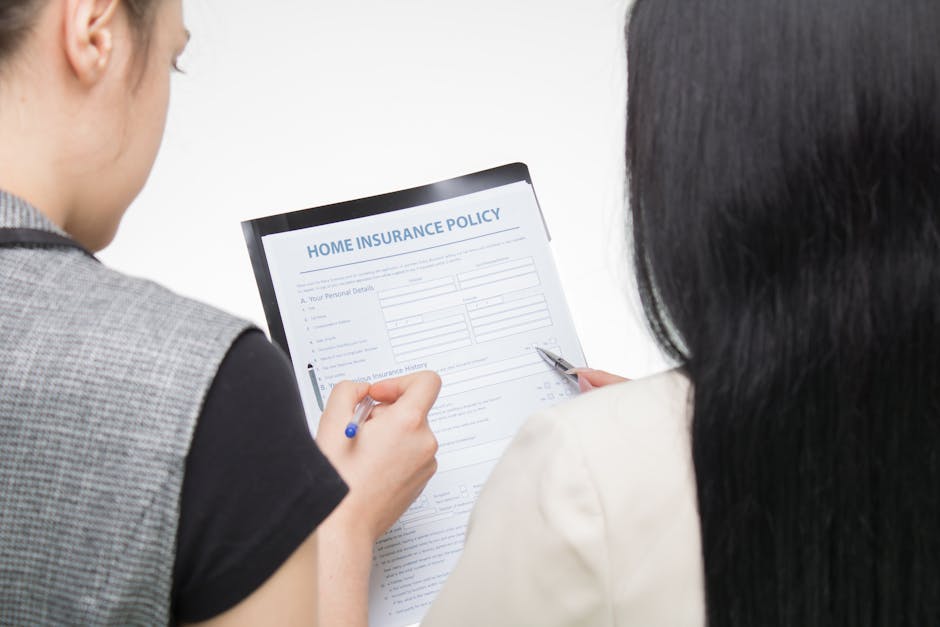
Most international students hear about renter's insurance for the first time when a landlord mentions it in the lease. Then the scramble begins: What is it? Do I actually need it? Can I even get it without a Social Security number?
Here is the short answer: renter's insurance is one of the cheapest, most practical things you can set up before moving into your first US apartment—and in many cases, your lease will require it. This guide walks you through what it covers, how to get it fast, and what to watch out for as someone new to the US.
What Renter's Insurance Actually Covers
Think of renter's insurance as protection for your stuff and your liability—not the building itself (that is your landlord's responsibility).
A standard policy typically includes three things:
- Personal property coverage – If your laptop, clothes, or furniture are stolen or damaged by a covered event (fire, burst pipe, certain weather), the insurer pays to replace them.
- Liability coverage – If someone is injured in your apartment and sues you, or if you accidentally cause water damage to a neighbor's unit, liability coverage helps pay legal costs and damages.
- Additional living expenses (ALE) – If your apartment becomes uninhabitable after a covered event, ALE covers temporary hotel stays or short-term rentals while repairs happen.
What is usually NOT covered: flooding from outside (you need separate flood insurance), earthquakes in many states, and normal wear and tear.
Do International Students Qualify?
Yes—in most cases, you do not need a Social Security number (SSN) or US credit history to purchase renter's insurance. Many insurers accept alternative forms of ID such as a passport or Individual Taxpayer Identification Number (ITIN). Some insurers that are popular with students and newcomers have specifically streamlined this process.
That said, the application process varies by company, so it is worth confirming their ID requirements before you start filling out a form. If your university has a student-focused insurance partner, that can also be a straightforward starting point.
When to Buy It
Buy your policy before your official move-in date—ideally a few days ahead. Here is why: if something happens on move-in day itself (a broken window, a stolen box from the hallway), you want coverage already active. Some landlords also ask to see proof of insurance before handing over the keys, so having a policy in hand keeps things smooth.
If you are arriving from abroad and cannot complete everything before you land, try to purchase within the first 24–48 hours of having your US address confirmed. Most online insurers let you set a future start date, which is helpful if you are buying from overseas.
How Much Does It Cost?
Renter's insurance in the US is genuinely affordable. Most policies for a typical student apartment run somewhere between $10 and $25 per month, though your actual premium depends on:
- The city and state you are in (risk factors vary by location)
- How much personal property you want to cover
- The deductible you choose (higher deductible = lower monthly cost)
- Whether you add any extras like electronics coverage
For most international students, a policy covering $10,000–$20,000 in personal property with $100,000 in liability is a reasonable starting point. Always read what you are actually getting before you pay.
Step-by-Step: How to Get a Policy
Step 1: Gather What You Need
Before you start comparing quotes, have these ready:
- Your US address (the apartment you are moving into)
- A valid ID (passport works for most insurers)
- An estimate of the value of your belongings
- Your move-in date
- Payment method (a US debit card or international card is usually accepted)
Step 2: Compare at Least Two or Three Quotes
Do not just go with the first name you recognize. Several insurers are known for being student- and newcomer-friendly—companies like Lemonade, Toggle, and others offer fully online sign-up with no SSN required in many cases. Your university's international student office or housing portal may also list preferred providers or group rates.
When comparing, look at:
- Monthly vs. annual premium (annual is often cheaper overall)
- Coverage limits for personal property
- Whether electronics are covered at full replacement value or depreciated value
- The deductible amount
- Customer reviews for claims experience
Step 3: Check Your Lease Requirements
Some leases specify a minimum liability amount (often $100,000) or require that the landlord be listed as an "additional interested party" on your policy. Read your lease carefully and match the policy to those requirements before you buy. This takes five minutes and saves headaches later.
Step 4: Purchase and Download Proof
Once you buy, download or screenshot your declarations page (often called the "dec page"). This is your official proof of insurance. Send a copy to your landlord if required and keep one in your email for easy access.
Step 5: Make a Home Inventory
After you move in, photograph or video your belongings. Note serial numbers for expensive electronics. Store this inventory in the cloud. If you ever file a claim, this documentation makes the process significantly faster.
A Note on University-Sponsored Plans
Some universities offer renter's insurance through partnerships with insurers, or bundle it into student services fees. Check with your housing office or international student services office (ISSO) to see if your school has something like this. These plans are not always the best value, but they are often the easiest to access and already meet lease requirements.
The YourGuideInUSA Angle
In our community groups, one of the most common regrets we hear from students who skipped renter's insurance: a stolen laptop during a campus area break-in, or water damage from an upstairs neighbor. In both cases, replacing those items out of pocket while managing tuition, rent, and living expenses is genuinely painful. Ten to fifteen dollars a month is a small but real safety net—and setting it up before you move in means you are covered from day one.
If you are unsure which provider makes sense for your city or university, ask in the YourGuideInUSA community group for your school. Chances are someone has already done the research.
FAQ
Can I get renter's insurance without an SSN?
Many insurers accept a passport or ITIN as identification. Check each insurer's requirements before applying, as policies vary by company.
Can I buy renter's insurance before I arrive in the US?
Yes—most online insurers let you set a future start date. You will need your confirmed US address. Some students complete this from abroad before they fly.
Does renter's insurance cover my belongings in my home country?
Typically no, or only in very limited circumstances. Coverage is usually for your US residence and sometimes short trips. Read the policy carefully if this matters to you.
What if my landlord requires a specific coverage amount?
Match your policy to what the lease states. If you are unsure, contact your landlord before purchasing and ask for the exact requirements in writing.
Is renter's insurance the same as health insurance?
No. These are completely separate. Renter's insurance covers your property and liability. Health insurance covers medical costs. As an international student, you likely need both—your university may require a separate student health insurance plan.