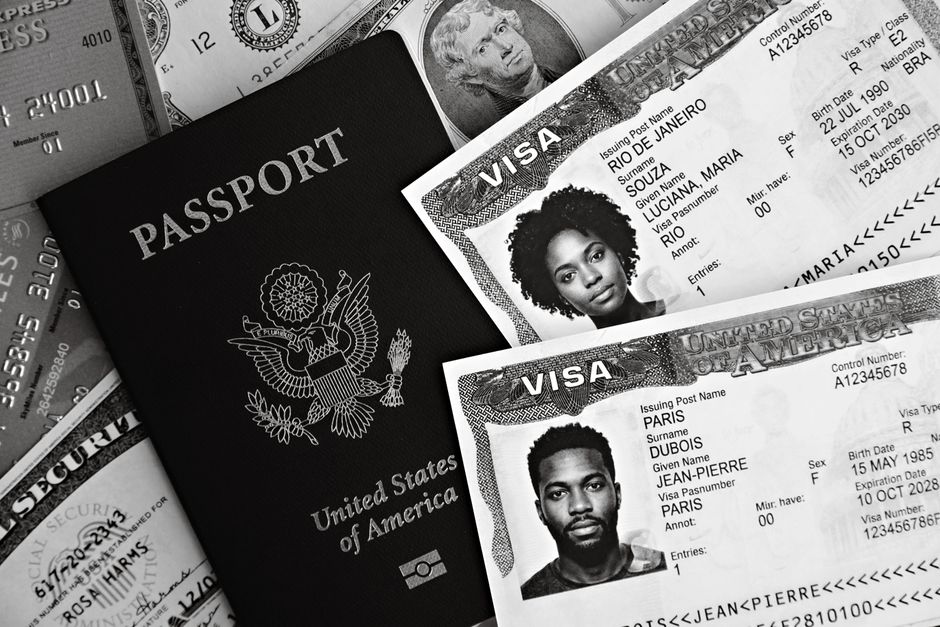
How to Get a US Passport as a Permanent Resident
Can a Green Card Holder Get a US Passport?
This is one of the most common questions we see in the YourGuideInUSA community, and the short answer is: not yet — but almost.
A US passport is issued only to US citizens. If you are a permanent resident (green card holder), you cannot apply for a US passport until you have naturalized as a US citizen. However, there is a travel document designed specifically for permanent residents — the Re-entry Permit — and understanding how these two documents work together is essential before you book any international trip.
Let's walk through the full picture so you don't make a costly mistake.
What Green Card Holders Actually Need for International Travel
As a permanent resident, you generally use two documents to travel internationally:
- Your foreign passport — issued by your home country.
- Your green card (Permanent Resident Card) — as proof of your status to re-enter the US.
For most short trips (typically under six months), this combination is enough. Airlines are required to check your green card before boarding a US-bound flight, and US Customs and Border Protection (CBP) officers will verify your status on arrival.
What If You're Going to Be Outside the US for More Than Six Months?
This is where many permanent residents run into trouble. Staying outside the US for more than six months can raise questions about whether you have abandoned your residency. Staying away for more than one year without a Re-entry Permit will typically result in your green card being considered invalid for re-entry.
If you plan to travel for an extended period, apply for a Re-entry Permit before you leave. This document is issued by USCIS and can allow you to remain outside the US for up to two years without abandoning your permanent resident status. Check with your immigration attorney or a trusted DSO (Designated School Official) if you're an international student on a green card path — the rules around maintaining residency intent are nuanced.
The Path from Green Card to US Passport
If your goal is actually to hold a US passport, here is the honest roadmap:
Step 1 — Meet the Residency Requirements for Naturalization
Before you can apply for citizenship (and then a passport), you typically need to:
- Have been a permanent resident for at least five years, OR
- Have been a permanent resident for at least three years if you are married to and living with a US citizen spouse
- Have been physically present in the US for a required portion of that time (check USCIS for current thresholds — these rules involve continuous residence and physical presence calculations that are easy to miscalculate)
- Have good moral character, no disqualifying criminal history, and meet other eligibility criteria
Always verify current eligibility rules directly with USCIS or a licensed immigration attorney. Naturalization requirements can have exceptions, and individual circumstances vary widely.
Step 2 — File Form N-400 (Application for Naturalization)
The naturalization application is filed with USCIS. As of the time of this writing, USCIS charges a filing fee for Form N-400 — verify the current fee on the USCIS website before you apply, as fees are updated periodically. Fee waivers may be available for eligible applicants.
You will also need to:
- Complete a biometrics appointment
- Attend a naturalization interview
- Pass the English language and civics tests (unless you qualify for an exemption)
Step 3 — Attend Your Oath of Allegiance Ceremony
Once your application is approved, you will receive a notice for an Oath of Allegiance ceremony. At this ceremony, you formally become a US citizen and receive your Certificate of Naturalization (Form N-550). This document is crucial — keep it somewhere extremely safe.
Step 4 — Apply for Your US Passport
Now you're eligible. Here's how it works:
First-time adult applicants (and all applicants under 16) must apply in person at a passport acceptance facility — these include many post offices, libraries, and clerk of court offices. You cannot apply by mail for your first US passport.
What you'll need:
- Completed Form DS-11 (Application for a US Passport)
- Your Certificate of Naturalization as proof of citizenship
- Proof of identity (such as a valid driver's license)
- A photocopy of your proof of identity document
- One passport photo (meeting State Department specifications)
- Payment for the applicable fees
Passport fees vary depending on whether you need a passport book, passport card, or both, and whether you choose routine or expedited processing. Check the US Department of State's current fee schedule before you apply — fees change and quoting outdated numbers helps no one.
Processing times also change based on demand. The State Department publishes current estimated wait times on their website. If you have imminent travel, expedited processing and even in-person appointments at regional passport agencies may be options — but plan well ahead.
Re-entry Permit vs. US Passport: A Quick Comparison
| Re-entry Permit | US Passport | |
|---|---|---|
| Who can get it | Permanent residents | US citizens only |
| Purpose | Protect residency during long trips | Travel document + proof of citizenship |
| Validity | Typically up to 2 years | 10 years (adult), 5 years (under 16) |
| Application form | I-131 (filed with USCIS) | DS-11 (filed with State Dept.) |
| Must apply before leaving? | Yes, strongly recommended | No |
Common Mistakes to Avoid
- Assuming your green card works like a passport. It does not. You still need your home country passport to board international flights (unless you have a travel document from USCIS for refugees or asylees).
- Leaving the US for a long trip without a Re-entry Permit. This is a real residency risk.
- Waiting too long to apply for naturalization if you're eligible — the N-400 process can take many months, and then the passport application adds more time on top.
- Losing your Certificate of Naturalization. Getting a replacement is a lengthy process. Make certified copies and store the original securely.
A Note for International Students on the Green Card Path
Many folks in the YourGuideInUSA community are students on F-1 or other visas who are on the path to permanent residency through employment or family sponsorship. If you are in that position, the US passport question is likely a few years away — but it's smart to understand the full journey early.
In the meantime, make sure you understand how your current visa status interacts with travel, maintaining your status, and any future adjustment of status applications. Your DSO and international student office are your first stop for questions about how travel might affect your visa status.
FAQ
Can I apply for a US passport with just my green card?
No. A US passport is only available to US citizens. Your green card is proof of permanent residency, not citizenship. You must naturalize first.
How long does it take to get a US passport after naturalization?
Processing times vary and change frequently. Check the US Department of State website for current estimates — during busy periods, routine processing can take several weeks or longer. Expedited options are available for an additional fee.
Can I travel internationally while my N-400 is pending?
Generally yes, but you should consult with an immigration attorney before traveling while your naturalization application is pending. Certain trips could affect your continuous residence calculation.
What travel document do I use as a green card holder if my home country passport expires?
You typically need to renew your home country passport through your home country's embassy or consulate in the US. USCIS does issue certain travel documents (such as a travel document for refugees), but standard green card holders rely on their national passport. Verify your specific situation with an immigration attorney.
Is there a fee waiver for the US passport application?
Fee waivers for passport applications are very limited. Check the State Department's current policy, but do not count on one being available unless you meet a specific qualifying category.


