Dental Insurance Options for International Students in the USA
Dental Insurance Options for International Students in the USA
Let's be honest: dental care in the United States is expensive. A single filling can cost $150–$300. A root canal without insurance? You're looking at $700–$1,500 or more. For international students already juggling tuition, rent, and the general chaos of settling into a new country, an unexpected dental bill can genuinely wreck your month.
The good news is you have options. The frustrating part is that figuring out which option actually makes sense for your situation takes a little digging. This guide will walk you through what's realistically available to you, what things typically cost, and how to avoid the most common mistakes.
Does Your University Insurance Include Dental?
Start here before doing anything else.
Most universities require international students to enroll in their Student Health Insurance Plan (SHIP). These plans almost always include medical coverage — but dental coverage is a different story. Some schools bundle basic dental into the same plan. Many don't. A good number offer dental as an optional add-on you have to actively choose during enrollment.
Check your school's student health services website and look specifically for what the dental benefit covers. If you see only "emergency dental" listed, that usually means they'll help if you crack a tooth, but routine cleanings and fillings are on you.
What to Ask Your School
- Is dental included in my SHIP, or is it a separate enrollment?
- What's the annual maximum benefit? (Anything under $1,000 is pretty limited)
- Does the plan cover preventive care like cleanings at 100%?
- Is there a waiting period before major work like crowns or orthodontics is covered?
- Which dentists are in-network near campus?
Don't assume. A lot of students find out their dental "coverage" only kicks in after a $100–$200 deductible and only pays 50% of most procedures. Knowing this upfront lets you plan.
Buying a Standalone Dental Insurance Plan
If your university plan doesn't include dental — or if the coverage feels thin — you can buy a standalone dental insurance plan on your own. This is more common than most international students realize.
How These Plans Work
Standalone dental plans typically follow a 100-80-50 structure:
- Preventive care (cleanings, X-rays): covered at 100%
- Basic care (fillings, simple extractions): covered at around 80%
- Major care (crowns, root canals, bridges): covered at around 50%
Monthly premiums for these plans generally run $15–$50 per month for individuals, depending on the plan and state you're in. Annual maximum benefits usually fall between $1,000 and $2,000.
Here's the catch that trips people up: most standalone dental plans have a waiting period of 6–12 months before they'll cover major work. If you buy a plan in September and need a crown in November, you may be paying out of pocket for that crown. Preventive care is usually available immediately, though. So even if you have an existing issue you need fixed, enrolling in a plan now still makes sense — you'll be covered going forward.
Where to Buy One
- Healthcare.gov: You can browse dental plans here even without enrolling in a health plan. International students are generally not eligible for subsidies, but you can still purchase plans at full price. Verify your eligibility status with your DSO if you're uncertain.
- Private insurers: Companies like Delta Dental, Guardian, Cigna, and Humana all sell individual dental plans directly. Comparing a few on their websites gives you a reasonable picture of what's available in your state.
- Your university's student association or alumni network: Some have negotiated group rates for students.
Dental Discount Plans: Not Insurance, But Useful
This one often gets overlooked. Dental discount plans — sometimes called dental savings plans — are not insurance. They don't reimburse you. What they do is give you access to a network of dentists who agree to charge reduced rates to plan members.
You pay an annual membership fee, usually $80–$200 per year, and then pay discounted rates directly to the dentist. Discounts typically range from 10%–60% depending on the procedure and provider.
The advantages are real:
- No waiting periods
- No annual maximums
- No claims to file
- Works immediately after you sign up
If you need dental work done soon and don't want to wait out an insurance waiting period, a discount plan can save you meaningful money in the short term. Careington, Aetna Dental Access, and DentalPlans.com are a few places to start comparing options.
Just verify that dentists in your area actually accept the plan before you pay for it. Coverage can be thin in some cities and robust in others.
Community Health Centers and Dental Schools
This is the option most students don't know about, and it's genuinely underrated.
Federally Qualified Health Centers (FQHCs)
These are community clinics that receive federal funding and are required to provide services on a sliding fee scale based on your income. Dental services are commonly included. For students with limited income, the cost can be very low — sometimes just a few dollars for a cleaning.
You can find one near you at findahealthcenter.hrsa.gov. Call ahead and ask specifically about dental services and whether they use a sliding scale — not all locations offer the same services.
Dental Schools
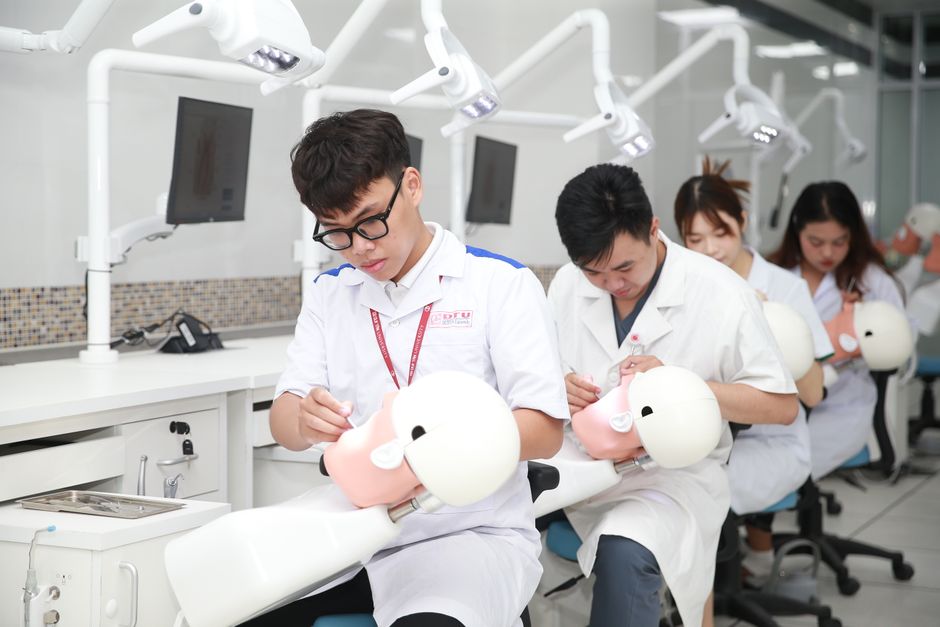
Teaching dental clinics are one of the best-kept secrets for affordable dental care. Students in their final years of training perform procedures under close supervision from licensed, experienced dentists. The work is thorough — often more so than a standard quick appointment — because students are being evaluated.
Costs are typically 50–70% lower than private dental offices. A cleaning that might cost $150 elsewhere could be $40–$60 at a dental school clinic. The main tradeoff is time: appointments are longer, and scheduling can take a few weeks.
Search for dental schools in your city or check the American Dental Association's directory. Most major metro areas have at least one.
Practical Steps to Take Right Now
- Check your current SHIP: Log into your student health portal and read exactly what dental benefits are included, if any.
- Find out your enrollment window: Many university add-on plans can only be purchased during specific enrollment periods. Missing that window could mean waiting a full year.
- Get a basic cleaning scheduled: Even if your coverage is uncertain, starting with a cleaning is low-cost and gives a dentist a chance to flag anything that needs attention before it becomes expensive.
- Compare two or three options: Look at your school's dental add-on, one standalone plan, and check whether there's an FQHC or dental school near you.
- Don't wait until something hurts: Dental problems genuinely get more expensive the longer you wait. A cavity caught early is a filling. Left alone, it becomes a root canal.
FAQ
Can international students on F-1 or J-1 visas buy dental insurance in the US? Generally yes. Visa status doesn't typically prevent you from purchasing dental insurance or discount plans. However, eligibility for certain subsidized programs varies, so check with your DSO if you're unsure.
Is dental care covered under Medicaid? Medicaid dental coverage varies by state and eligibility. Most international students on student visas are not eligible for Medicaid, but rules are complex. Don't assume either way — verify with a benefits counselor or your school's international student office.
What if I need urgent dental work and have no coverage right now? Look into a dental school clinic or FQHC immediately. Also ask the dental office directly about payment plans — many private offices offer them, especially for students.
How much should I budget for dental care per year with no insurance? Two cleanings with X-rays typically runs $200–$400 total out of pocket. Add a filling or two and you're looking at $400–$800 for a basic but healthy year. More if anything unexpected comes up.
Should I just get dental care back home when I visit? Honestly, some students do this for major work, and it can make financial sense depending on where you're from. But don't rely on it as your only plan — dental emergencies don't wait for school breaks.
Always verify current plan details, costs, and eligibility directly with providers. This guide reflects general information and things can change.